Not long ago, Patia was where Bhubaneswar ended. The campuses were there, and a handful of offices, but most people who worked in the north of the city still went home to the older neighbourhoods further south. Evenings meant a long drive back across town.
That arithmetic has changed — and it has changed, more than anything, because of a road.
The road that changed the arithmetic
The 200 ft road that runs from Jaydev Vihar towards Nandankanan turned Patia from an edge into a corridor. It put the campuses, the IT offices and the older city within an easy drive of each other, and it gave the land along it a reason to be something more than a place to pass through.
What followed was the pattern you see wherever a good road meets growing employment. First came the offices and the colleges. Then came the people who work and study in them. Then came everything those people need — schools, clinics, shops, restaurants, gyms — and, finally, the homes designed for people who intend to stay.
What anchors the neighbourhood
Three things give Patia its weight, and all three have been here long enough to be permanent features rather than promises:
- Education. KIIT and its neighbouring institutions give the area a large, young population through the year, and a steady demand for everything from rented rooms to family homes.
- Work. The IT campuses of Infocity and Chandrasekharpur are close by, bringing a working population that wants to live near the office rather than an hour from it.
- Health. Large hospitals, KIMS among them, sit within the neighbourhood itself — something families notice the first time they need one at night.
Because all three have been here for a while, the everyday infrastructure has caught up. Families no longer have to cross the city for a school, a hospital or a weekly shop.
Living in Patia today
What surprises people who have not visited in a few years is how complete the neighbourhood now feels. There are supermarkets and pharmacies within a short walk of most homes, restaurants that stay busy on a weekday evening, and a good choice of schools.
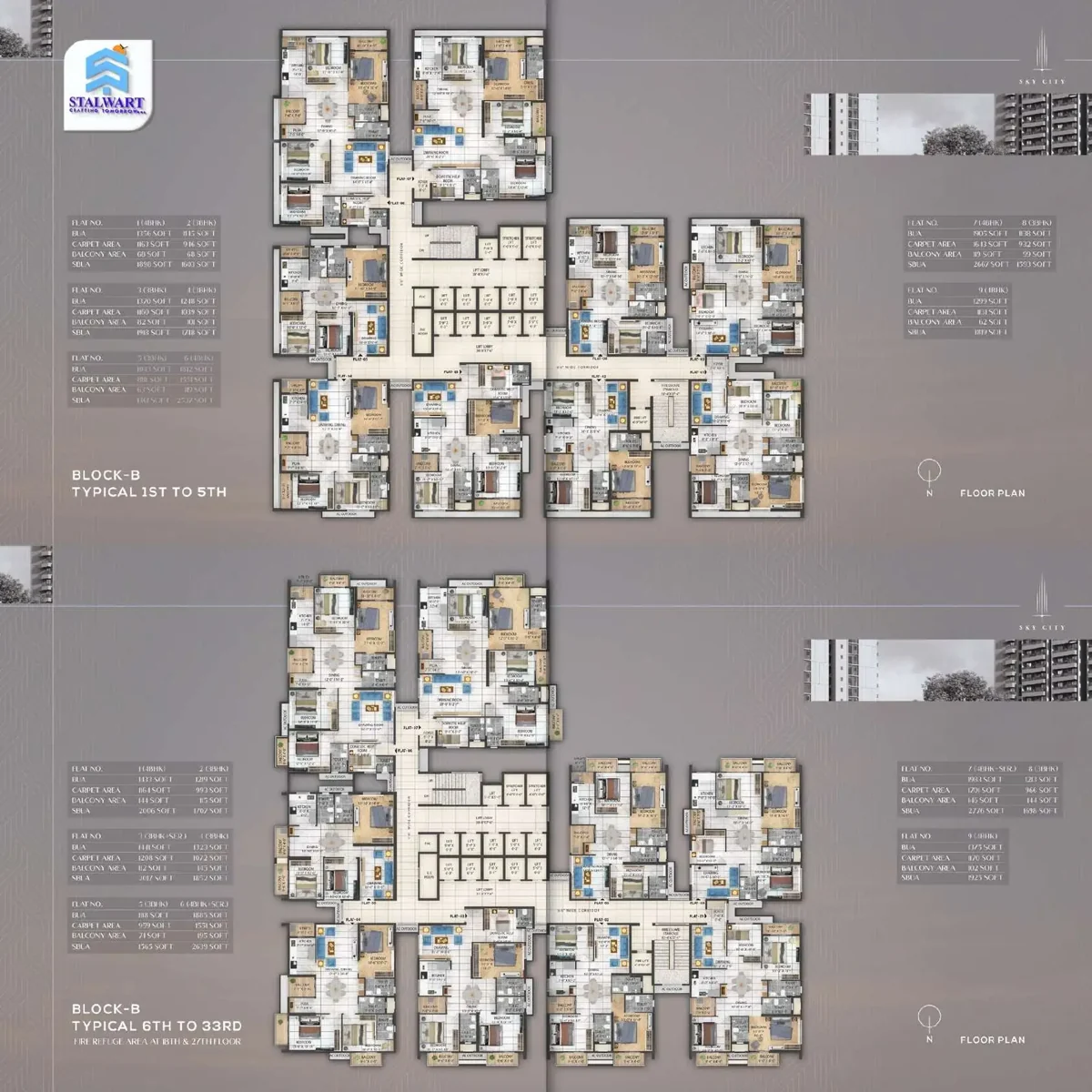
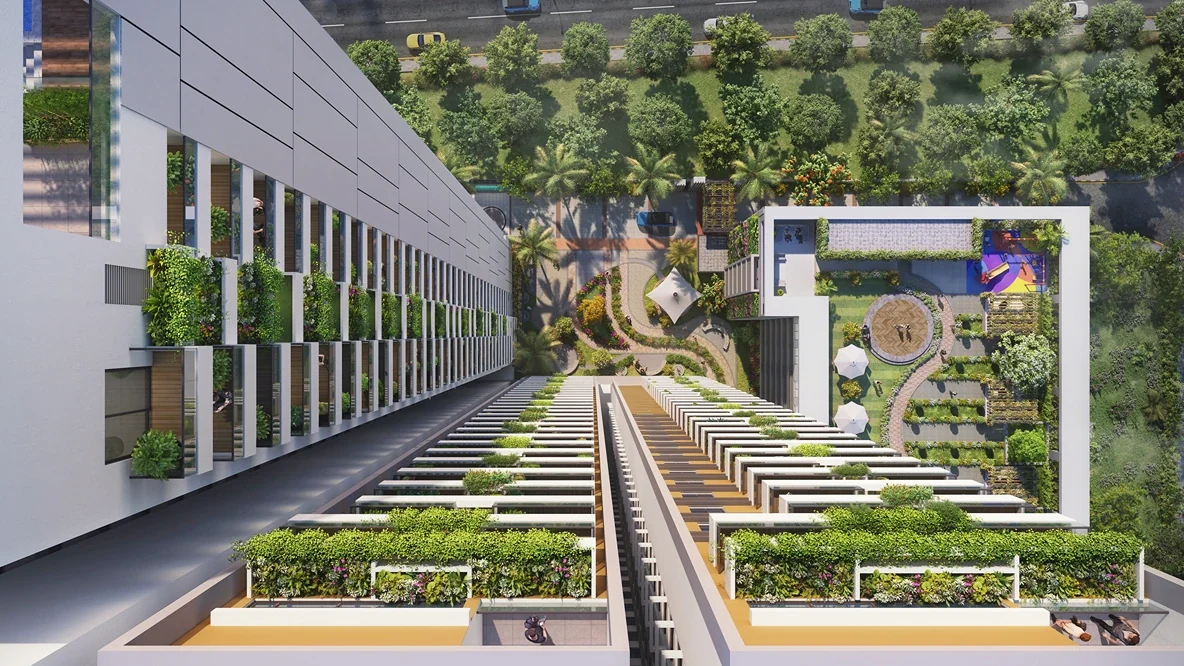
It is also a neighbourhood with room still in it. Compared with the older parts of Bhubaneswar, the plots are larger and the roads wider. That is what makes a well-planned residential project possible here at all — one with open space around the buildings, parking below them, and apartments that are not packed back to back.
Getting around
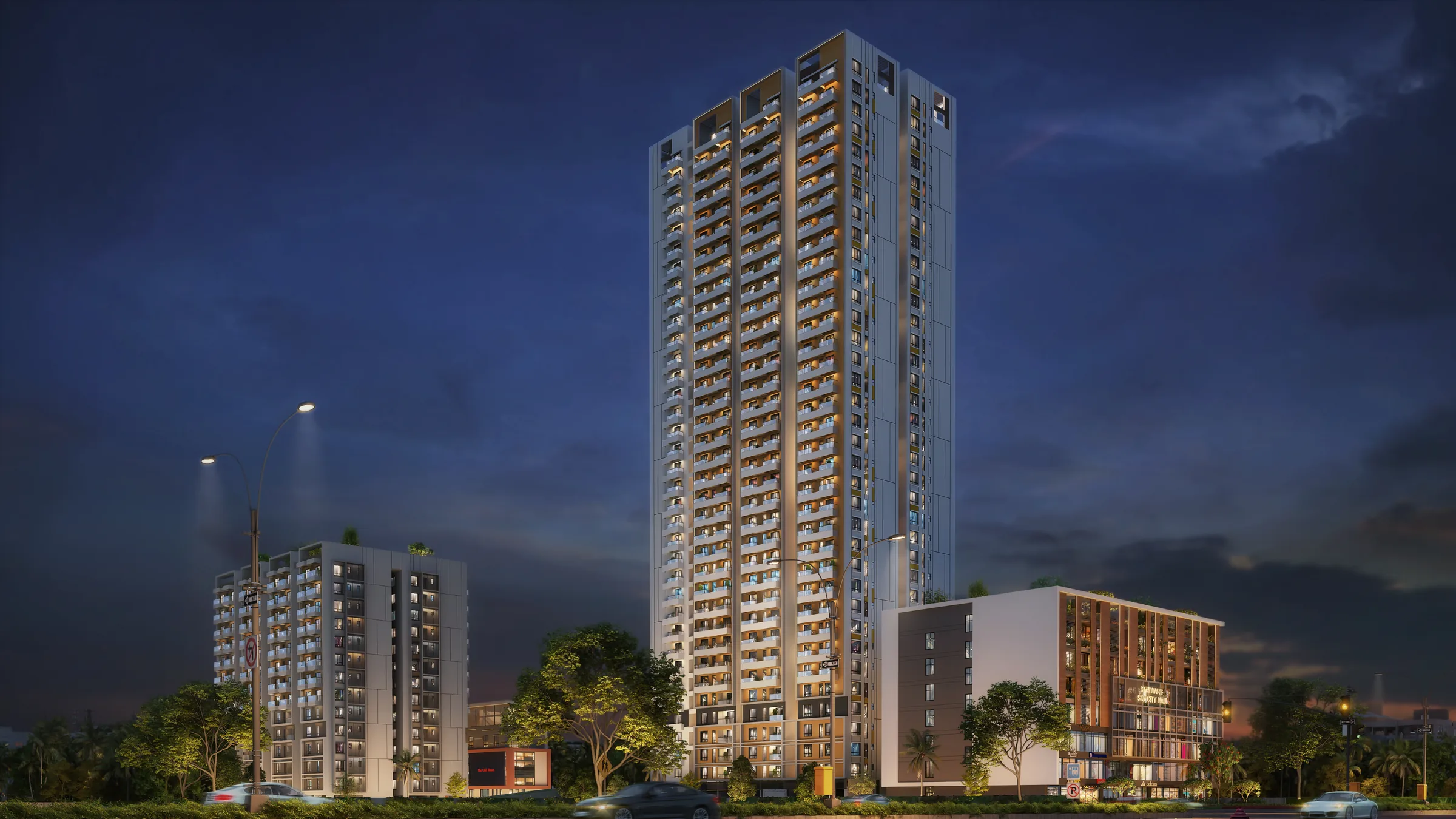
The 200 ft road is the spine. From Stalwart SkyCity, which sits on it, KIIT is about five minutes away and Nandankanan about ten. Biju Patnaik International Airport is roughly half an hour by car and Bhubaneswar railway station about twenty-five minutes, depending on the time of day.
Those are short distances by the standards of any growing city — and they are the reason many people who work in the north of Bhubaneswar now choose to live here too.
Why we build here
We have been building in Patia for most of our fifteen years. Stalwart SkyCity is under way on the 200 ft road itself, and our delivered projects in the area include Stalwart Enclave, Stalwart Residency, Stalwart Starcity and Stalwart Annada — you can find them all on our Residences page. Our own office is in Patia too, at Tulsi Vihar Complex, Sailashree Vihar.
That long view is the point. We build in neighbourhoods we expect to be working in for another fifteen years, so we pay attention to how they are changing — where the new schools are opening, which roads are filling up, and where the quiet streets still are. It also shapes how we design: the site is the first drawing, and in a neighbourhood like this that means planning for the breeze, the traffic and the view that will still be there in a decade.
What to look for in a Patia home
If you are weighing a home in the neighbourhood, a few questions are worth asking of any project:
- Which side of the building faces the road? Homes set back from the main road, or facing a garden, are quieter.
- How is the home ventilated? In Bhubaneswar's climate, homes with windows on two sides are noticeably more comfortable — our guide to cross-ventilation explains how to check a floor plan.
- Is the project registered, and on schedule? Every project should have a RERA number you can look up on the ORERA portal in a few minutes.
The next decade
The next chapter for Patia is likely to be less about new roads and more about filling in: better public spaces, more of the everyday within walking distance, and homes designed for people who intend to stay. The neighbourhoods that do well from here will be the ones that are planned for living in, not only for getting to work from.
If you are weighing a home in the north of the city, we would be glad to show you the area as we see it. Book a visit and we will take you round.