Every residential project of any size in Odisha has to be registered with the Odisha Real Estate Regulatory Authority — ORERA — before it can be advertised or sold. The registration is public, and the portal behind it holds far more than a number: the approved plans, the promoter's details, the completion date the promoter has committed to, and regular updates on how the project is progressing.
Most buyers never look. It takes about four minutes, and it is the single cheapest piece of due diligence you can do.
Which projects must be registered
The Real Estate (Regulation and Development) Act, 2016 requires registration for any real estate project on more than 500 square metres of land, or with more than eight apartments across all its phases. In practice that covers almost every apartment building you will be shown in Bhubaneswar.
Until a project is registered, the promoter cannot advertise, market, book or sell homes in it. Registration is also time-bound: the promoter declares the date by which the project will be completed, and the registration runs until then.
Minute one: find the registration number
A registered project has to show its RERA number wherever it is advertised. The Act requires every advertisement and prospectus to carry the registration number and the address of the authority's website — so you will find it on the brochure, the site hoarding, adverts and the project's own website.
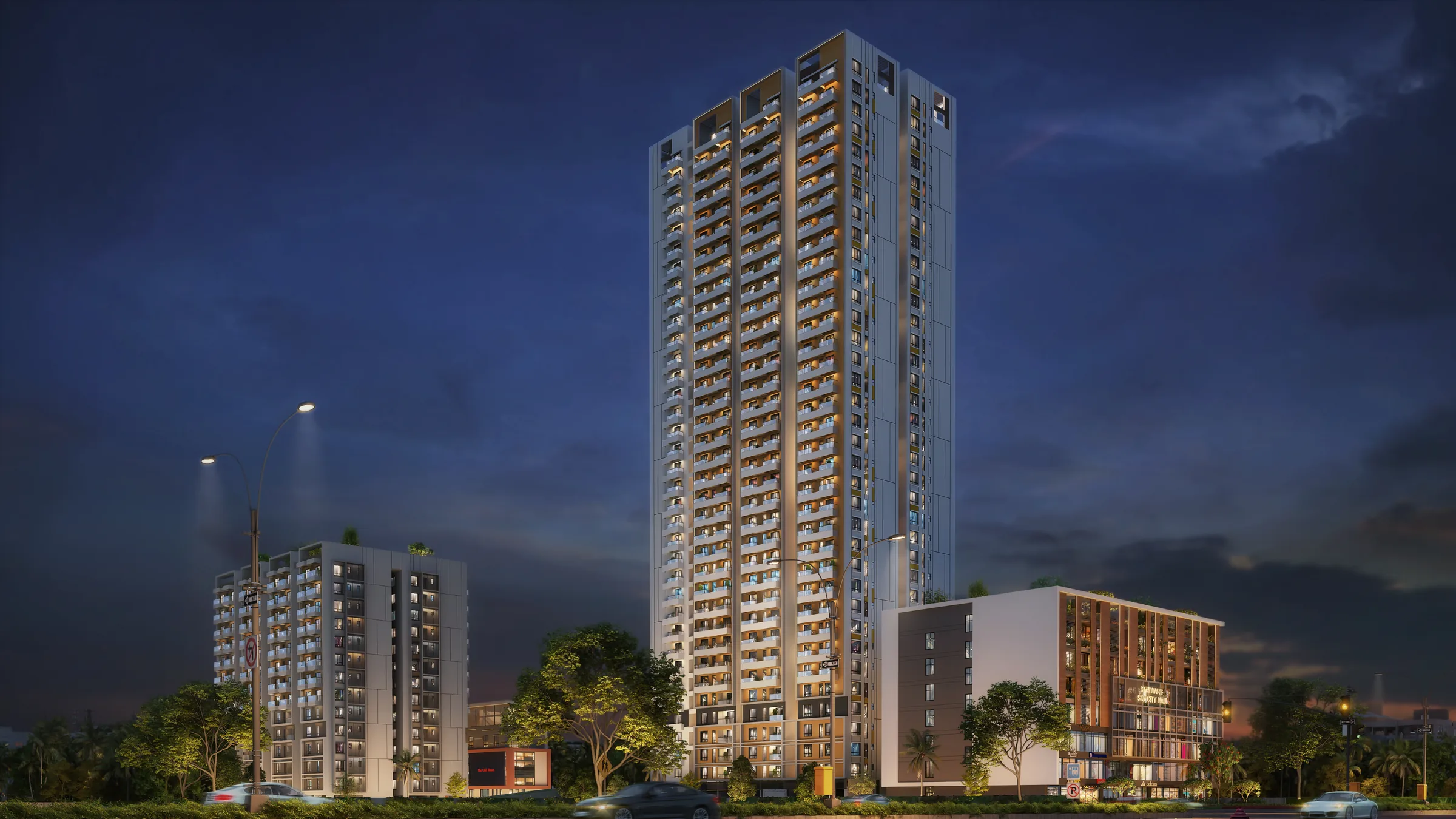
It looks something like MP/19/2023/00906, which is the registration for Stalwart SkyCity.
If a project cannot give you a registration number, stop there. You do not need the other three minutes.
Minute two: look it up on the portal
Go to rera.odisha.gov.in and open the list of registered projects. Search by the registration number or the project's name, and check that three things match what you have been told:
- the project name and address;
- the promoter — the company that is actually building it, which is not always the name on the hoarding;
- the registration number itself.
If the project is not on the list, or the promoter is a different company, ask why before going any further.
Minute three: open the documents
The project's page carries the documents it was registered with. The ones worth opening are:
- The registration certificate — and the date it is valid until. That date is the promoter's own declaration of when the project will be completed.
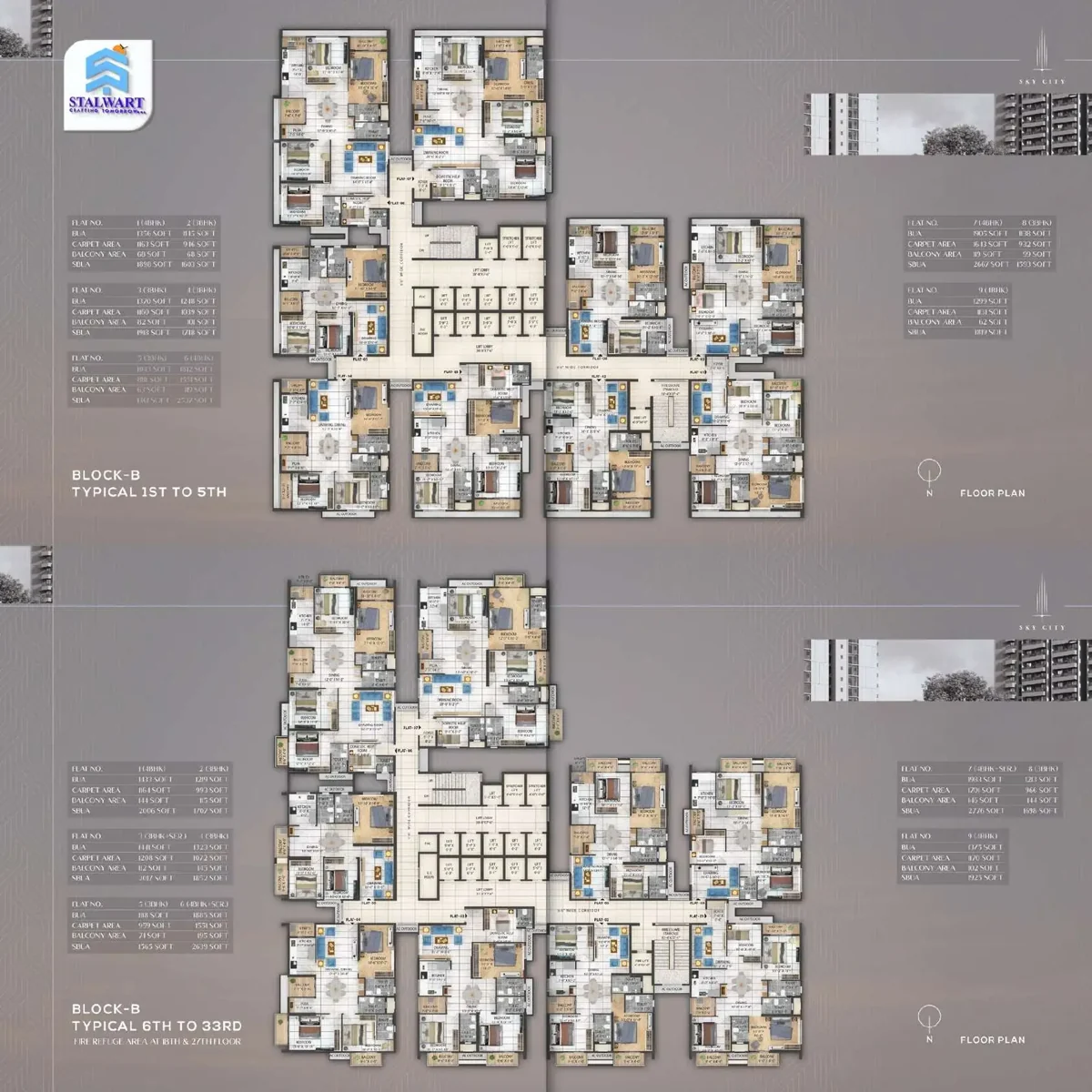
- The approved plans — the layout and building plans the authority has sanctioned. The flat you are shown should exist on them, in the same place and at the same size. If a sales plan shows an extra floor or a larger apartment, ask how it has been approved.
- The promoter's details — their registered address, directors and other registered projects. A promoter with several projects on the register, some of them completed, has a record you can go and look at.
Minute four: read the latest progress update
RERA requires a promoter to keep the project's page up to date while it is being built, including the status of its approvals and of the construction itself, and the number of apartments and car parks booked. Open the most recent update and compare it with what you saw on site.
The two should tell the same story. A building that is several floors higher on site than on the portal simply has an update due; a portal that reports progress you could not see is worth a question.
What RERA registration protects
Registration is more than paperwork. Among other things, the Act requires that:
- Seventy per cent of the money collected from buyers is kept in a separate account and used only for the cost of the land and construction of that project;
- the promoter takes no more than ten per cent of the cost of a home, as an advance or application fee, before a written agreement for sale is signed and registered;
- the promoter builds to the approved plans and specifications, and cannot make major changes to them without the consent the Act requires;
- any structural defect or defect in workmanship reported within five years of possession is put right — we cover this in our guide to the handover inspection.
If something does not match
Small discrepancies usually have simple explanations — a revised plan that has been filed, or an update that is due. Ask the promoter to explain it in writing before you pay anything. If the answer is not satisfactory, the Act lets buyers file a complaint with the authority.
Registration is the start, not the end
A registration number tells you a project has been disclosed to a regulator. It does not tell you how the promoter builds, or whether they finish on time. For that, look at the homes they have already delivered, and the dates they delivered them — then visit one and ask the people living there.
We publish the registration number of every on-going Stalwart project, and we would encourage you to check each one: the full list is in the questions on our Contact page. Our delivered projects, with their planned and actual handover dates, are on the Residences page. And once the registration checks out, our guide to carpet, built-up and super built-up area will help you read the cost sheet.